
Remember that spontaneous weekend getaway to the coast, all thanks to points accumulated from everyday purchases? It felt like unlocking a secret level in the game of life, turning routine spending into tangible and exciting experiences. Too often, loyalty points are viewed as a trivial perk, a digital pat on the back for being a repeat customer. But the truth is, these points represent untapped potential, a hidden currency waiting to be unleashed.
This isn’t simply about getting “free stuff.” It’s about leveraging rewards programs to strategically minimize expenses, upgrade travel experiences, and access exclusive opportunities that would otherwise be out of reach. In this article, we’ll explore the real value of loyalty points, providing actionable strategies to maximize your rewards and transform them into significant savings and unforgettable adventures. Get ready to turn your everyday spending into extraordinary experiences.
The Psychology of Rewards: Why We’re Hooked
Ever wondered why collecting points feels so good? It’s not just about getting free stuff; deep psychological principles are at play. The allure of loyalty programs taps into our brains in fascinating ways. Behavioral economics explains a lot about why we chase those rewards, often without even realizing it. The core lies in how our minds perceive value and react to potential gains and losses. It is very interesting, because it is all about our perception, not a real value.
One key factor is the dopamine rush we get when we receive a reward, big or small. That little jolt of pleasure reinforces the behavior, making us more likely to engage with the program again. Think about the anticipation of finally reaching that next tier or the satisfaction of redeeming points for something you’ve been eyeing. It’s a carefully orchestrated game, and our brains are the players.
Understanding these psychological drivers is crucial. It allows us to step back and assess whether we’re truly benefiting from a loyalty program or just chasing the next hit of dopamine. Are we making rational decisions about point collection and redemption, or are we being swayed by clever marketing tactics? Knowledge is power – the power to use these programs to our advantage instead of being used by them.
Gamification and the Power of Progress
Loyalty programs often use gamification to keep us hooked. It’s not just about the end reward, but the journey itself. Think about loyalty tiers – bronze, silver, gold, and beyond. Each level represents progress and unlocks new perks, driving us to spend more to climb the ladder.
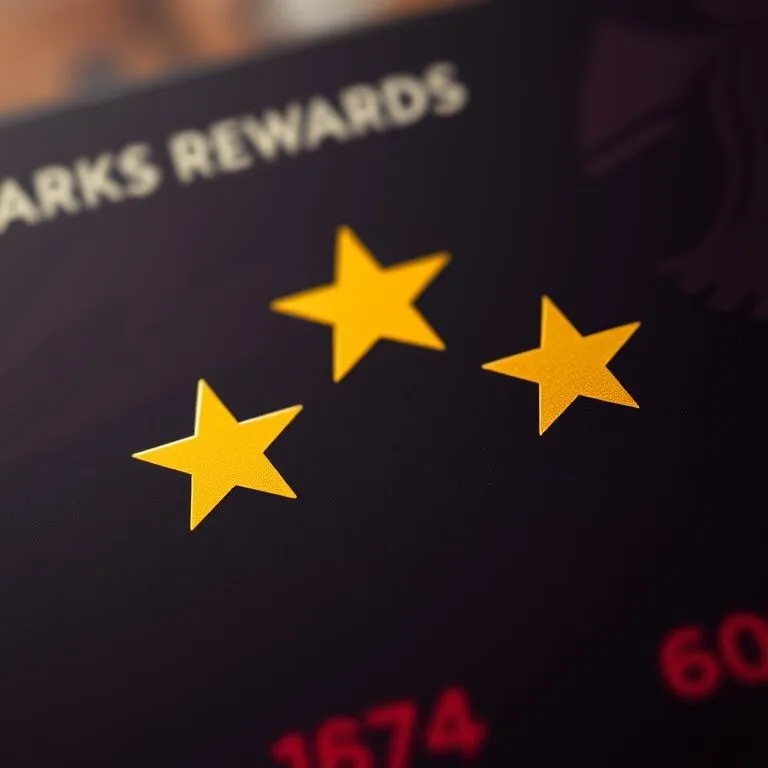
Many companies use this strategy. Starbucks Rewards, for example, masterfully uses a tiered system. The visual representation of filling up your star balance to earn a free drink is incredibly motivating. It’s a small, achievable goal that keeps you coming back for more. Engagement is key, and points systems are the building blocks of this engaging game. It is a great way to keep returning customers.
The Illusion of Ownership: The Endowment Effect
Have you ever noticed how reluctant you are to part with something once you own it, even if it’s just a digital asset? That’s the endowment effect. This cognitive bias makes us place a higher value on things we possess, simply because we possess them. It is weird, but it is how our brains work.
This applies directly to loyalty points. Once you’ve accumulated a significant amount, the thought of letting them go, even for something you might not really need, can be surprisingly difficult. You’ve mentally “owned” that free reward, and the perceived value skyrockets. The more points you have, the stronger the effect. The endowment effect is really powerful, and it can affect our financial decisions.
Unlocking the Real Value: Beyond the Surface
Loyalty points are often seen as a way to shave a few dollars off your next purchase, but their true potential lies in unlocking significant value through strategic point redemption. It’s a simple way to hack the system and save a lot of money on items you already intend to purchase. By understanding how to maximize your rewards, you can transform those seemingly insignificant points into travel upgrades, exclusive experiences, and high-value merchandise, leading to substantial savings.
For example, instead of using points for small discounts, consider saving them for a business class upgrade on a long-haul flight. This can transform an otherwise uncomfortable journey into a luxurious experience, potentially saving you thousands of dollars compared to booking business class directly. Similarly, hotel points can be redeemed for free stays at luxury hotels. With an excellent strategic redemption, you can stay at a five-star resort for free, enjoying amenities and services that would otherwise be out of reach.
Strategic Travel Hacking: Flights and Hotels
Travel hacking is used to fly in business class. It involves leveraging airline programs by understanding award charts and transfer partners. By strategically accumulating points and miles, you can redeem them for flights. For example, booking flights through programs allows you to turn your every day spendings into free flights.
Hotel rewards programs offer similar opportunities. Researching hotel loyalty programs offers benefits, such as free night stays and many other benefits. Keep in mind that flexibility is key when searching for award availability. Being open to different dates or destinations can increase your chances of finding the best redemption opportunities.
Exclusive Experiences: VIP Access and More
Beyond flights and hotels, loyalty programs also offer access to amazing experiences. A remarkable award, such as VIP access to sought-after events. These are exclusive rewards, with personalized programs.
Many loyalty programs partner with entertainment companies to offer a personalized offer. By strategically using a program points, one can gain entry to music events, like exclusive after-parties, or meet-and-greets with artists. These unique and memorable rewards are generally unavailable to the general public and can transform your loyalty points into unforgettable experiences.
Maximizing Your Earnings: Strategic Accumulation Tactics
Point accumulation can be significantly accelerated by employing strategic tactics. Several avenues exist, including leveraging credit card rewards programs, capitalizing on bonus offers, utilizing shopping portals, and participating in dining programs. Selecting the right credit cards tailored to spending habits is crucial. For instance, if travel is a frequent expenditure, a card offering bonus points on airline or hotel purchases would be ideal. Beyond the initial selection, proactively seeking bonus offers—such as limited-time promotions for increased points on specific purchases—can provide a substantial boost. Skillful navigation of shopping portals can further amplify earnings. Before making an online purchase, checking a portal for affiliated retailers can yield additional points or cashback on top of credit card rewards. Similarly, enrolling in dining programs and linking them to credit cards allows points to accumulate passively when dining at participating restaurants. It transforms everyday transactions into opportunities for rewards.
Credit Card Churning vs. Long-Term Loyalty
The world of reward points presents two distinct strategies: credit card churning and long-term loyalty. Credit card churning involves strategically opening and closing credit cards to capitalize on signup bonuses. While it can provide a rapid influx of points, it requires careful planning and diligent management of credit scores. Opening too many accounts in a short period can negatively impact creditworthiness. Long-term loyalty, on the other hand, focuses on building a relationship with a specific card issuer. This approach may offer benefits such as anniversary bonuses, spending incentives, and improved customer service. The choice between these strategies depends on individual risk tolerance and financial habits. For those risk-averse, long-term loyalty can be a safer, more consistent path. However, my friend Mark made 50,000+ points easily after churning for 2 years. But this is a long process.
Harnessing Shopping Portals and Dining Programs
Shopping portals and dining programs are often overlooked but powerful tools for maximizing point accumulation. Shopping portals act as intermediaries, rewarding users with points or cashback for purchases made through their links. Before any online purchase, compare rates across different portals. Additionally, dining programs allow you to earn points by simply registering your credit cards and dining at participating restaurants. The points earned here are in addition to anything offered by the credit card. For example, using a shopping portal for booking plane tickets can double dip the saving and help you reach your goal faster. Stacking these incentives creates a synergy that dramatically accelerates rewards earning.

Avoiding the Pitfalls: Common Mistakes and Devaluation
Loyalty points – those digital treasures we accumulate through everyday spending – can feel like free money. However, the path to cashing in isn’t always smooth. Many people stumble, making common mistakes that diminish or even erase the value of their hard-earned rewards. From letting points expire to misjudging redemption values and falling prey to loyalty program scams, there are numerous pitfalls to navigate. Loyalty programs are constantly evolving, and what seems like a great deal today could be significantly less appealing tomorrow. Understanding these risks and adopting proactive strategies is crucial to maximizing your loyalty rewards.
Understanding Point Expiration Policies
One of the easiest ways to lose your loyalty points is by overlooking the expiration policy. Many programs have activity requirements – meaning you need to earn or redeem points within a specific timeframe to keep your account active. For instance, I once had a significant balance with a hotel loyalty program, only to discover they’d vanished because I hadn’t used the program in 18 months. To avoid this, set reminders for expiration dates. Make a small purchase or transfer points periodically to maintain activity. Always read the fine print and ensure you fully understand the program’s expiration rules to safeguard your points.
Spotting and Avoiding Devaluation Risks
Point devaluation is another significant threat to your loyalty savings. Programs can change their redemption rates or introduce new terms and conditions that diminish the value of your existing points. A friend of mine learned this the hard way when an airline loyalty program drastically increased the number of points required for a free flight. What was once within reach suddenly became unattainable. To mitigate this risk, stay informed about program updates and redemption rates. Consider redeeming your points regularly, rather than hoarding them, to avoid potential devaluation. Also, be flexible with your travel plans and redemption options. Sometimes, alternative redemption methods, such as merchandise or gift cards, can offer better value than flights or hotel stays after a devaluation.
Future-Proofing Your Strategy: Adapting to Program Changes
Loyalty programs are not static; they evolve. Airlines merge, hotels rebrand, and redemption rates fluctuate like the stock market. A savvy points collector understands that adapting to these changes is crucial to preserving the value of their hard-earned rewards.
The world of loyalty programs isn’t a “set it and forget it” kind of deal. Imagine hoarding points in a single airline program only to see them devalued overnight, or worse, the airline goes belly up. That dream vacation just flew out the window. To avoid such a scenario, build a resilient, adaptable strategy. Think of it as a financial portfolio – you wouldn’t put all your money in one stock, would you?
Diversifying Your Rewards Portfolio
Portfolio diversification acts as a shield against unforeseen program devaluations. Joining multiple programs spreads the risk. For instance, having points in both a hotel chain like Marriott and a competing program, gives you options if one decides to drastically increase its redemption rates. Or, let’s say you primarily fly United, but also collect points with Delta and American. If United significantly changes its award chart, you have alternative options without losing all your travel potential.
Staying Informed and Agile: Newsletters and Communities
Information is your most powerful weapon. Subscribe to loyalty program newsletters, follow industry blogs, and participate in online communities dedicated to travel rewards. These resources are your early warning system, alerting you to program changes, promotions, and hidden opportunities. Monitoring expert analysis and community discussions gives you time to adjust your strategy. Knowledge gives you the agility to jump on limited-time offers or shift your points to another program before a devaluation hits.
Conclusion
Navigating the world of loyalty points can seem daunting, yet the potential rewards are undeniably worthwhile. By strategically accumulating points through everyday purchases, travel, and dining, and by redeeming them wisely for maximum value, anyone can unlock significant savings and enhance their personal finances. Remember, the key lies in understanding the nuances of various rewards programs and tailoring your approach to align with your individual spending habits and financial goals.
Customer loyalty is a valuable currency in today’s marketplace. Businesses compete fiercely for your patronage, and rewards programs are their way of saying “thank you” and encouraging repeat business. By participating strategically, you transform your regular spending into opportunities for travel upgrades, discounted merchandise, or even cash back. Loyalty points become a tangible asset, a tool to stretch your budget and achieve financial goals.
Start small, perhaps by focusing on one or two rewards programs that align with your primary spending categories. Track your points, understand the redemption options and their respective values, and make conscious decisions about how to accumulate and spend your rewards. The journey to maximizing loyalty points is an ongoing process, a journey to becoming a more financially savvy consumer and unlock an unexpected level to personal finance.